About American Ballet Awards

A new standard in ballet competition.

Distinguished in excellence, generous in opportunity, and devoted to the future of every dancer who takes our stage.

  • People
  • Ideas
  • Performance
  • Possibility
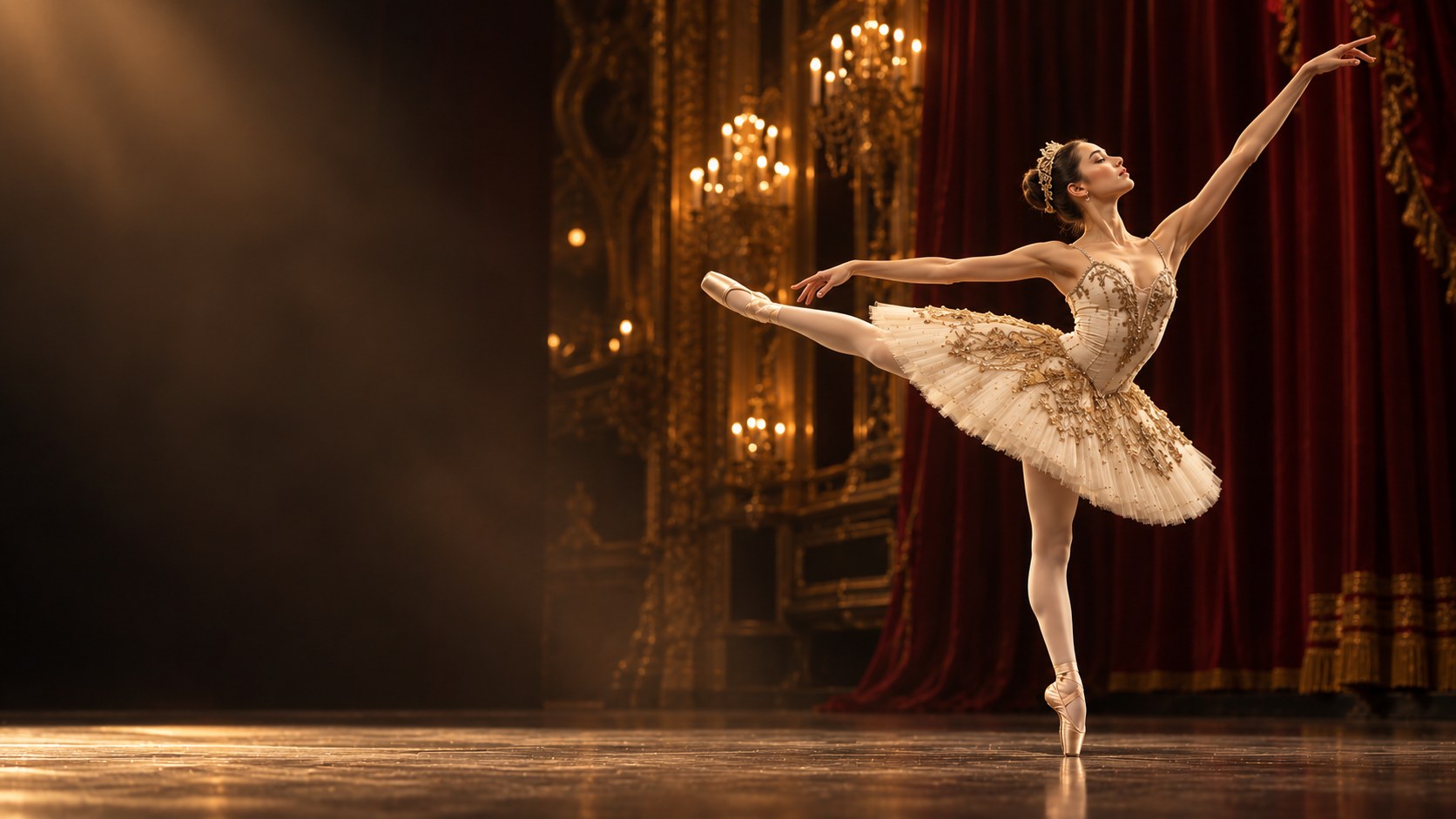
A dancer in performance, lit dramatically on stage.

2026 Competition Season

Every dancer deserves their moment.


American Ballet Awards exists to recognize excellence, cultivate potential, and create meaningful opportunities for the next generation of dancers.

  • Artistry
  • Leadership
  • Opportunity
  • Community
  • Legacy

Our mission

“Every dancer deserves their moment.”

Founded on the belief that every dancer deserves their moment, we provide a distinguished stage where young artists are seen, celebrated, and inspired to reach beyond what they thought possible. Through exceptional performance opportunities, distinguished industry professionals, educational experiences, scholarships, and connections to leading training programs, we are committed to preparing dancers not only for the stage before them, but for every stage that follows.

The 2026 competition tour

Five stages across the nation.

Five regional events lead to the American Ballet Awards National Finals. Every event carries the same standard, the same scoring system and the same caliber of adjudication.

Register a dancer

01

16 – 18 January

MiamiFL

Venue to be announced

Registration open
02

30 January – 1 February

MinneapolisMN

Venue to be announced

Registration open

03

13 – 15 February

DallasTX

Northpark Opera House

Registration open

04

27 February – 1 March

San DiegoCA

Venue to be announced

Registration open

05

13 – 15 March

RutgersNJ

Venue to be announced

Registration open

Beyond the Stage

A competition designed
for what comes next.


A performance may last only minutes. Its impact can shape a dancer for years.

American Ballet Awards is transforming the traditional competition experience by looking beyond scores, placements, and trophies to ask a more important question: where can this dancer go next?

Our events combine the excitement and prestige of competition with opportunities designed to advance a dancer’s training and future — master classes, scholarships, educational experiences, professional connections, and access to distinguished training programs across the nation.

The award is earned on stage. The opportunity begins beyond it.
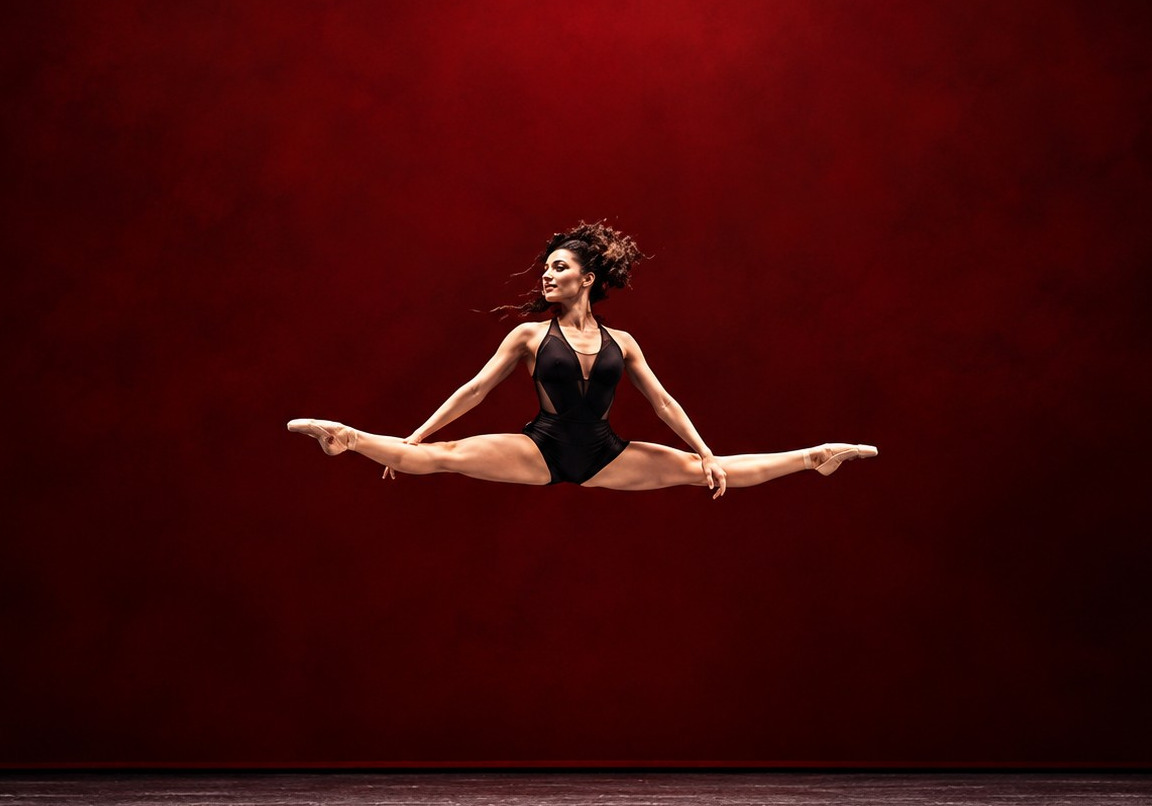
A dancer captured mid-leap in a split jump, lit dramatically against a dark red backdrop.

Two competitive divisions

Competition that reflects the dancer’s training.

Exceptional dancers arrive at ballet competitions from distinctly different training environments. Rather than placing dancers with vastly different classical backgrounds into the same competitive field, our division structure creates a more intentional standard of adjudication — while preserving the rigor expected of an ABA event.

Premiere

Versatility. Artistry. Achievement.

For accomplished dancers who train in ballet as part of a comprehensive, multidisciplinary dance education — often across ballet, contemporary, jazz and modern — bringing versatility, musicality and a broad technical foundation to the ABA stage.

Adjudication recognizes the expectations of ballet performance while considering the broader training environment from which these dancers come.

Who competes
Dancers from multidisciplinary competitive studios, ages 9–19.
What is weighed
Classical technique, control, artistry, musicality and stage presence.

Virtuoso

Classical excellence at the highest level.

The premier competitive level of American Ballet Awards, created for dancers pursuing intensive classical and pre-professional training within ballet academies, conservatories and pre-professional programs.

The expectations are intentionally high — an advanced classical standard, judged by dancers who train at that level every day.

Who competes
Academy, conservatory and pre-professional dancers, ages 9–19.
What is weighed
Technical precision, placement, line, control, musicality, artistry, classical vocabulary and the ability to command the stage.

Different training pathways. One distinguished standard.

And beyond the score

Three more ways to be seen.

I

Top 10 competitive recognition

The ten highest-scoring dancers in each eligible age classification are recognised from 1st through 10th place — awarded separately within the Premiere and Virtuoso Divisions. Ties are settled first on the Technique score, then on Performance Quality.

II

Adjudicators’ Honors

Some qualities deserve recognition beyond a numerical score. Adjudicators may present Honors for Artistry, Technical Execution, Musicality, Performance, Interpretation, Stage Presence, Partnering and Ensemble Performance. No particular score or placement is required to receive one.

III

The Emerging Artist Award

A special recognition for a dancer showing exceptional promise. It is not decided by score or placement alone — ABA may weigh technical foundation, artistry, versatility, growth, presence in the classroom and response to instruction.

Competition categories

Six ways to take the stage.

All entries must be appropriate for the dancer’s age, technical development and competitive division. Additional categories and special performance opportunities are offered at select ABA events.

Classical Ballet Solo

A variation from the ABA Approved Classical Repertoire List, recognizable to the original choreography and style of the selected ballet.

Maximum 2:30

Contemporary Solo

Versatility, individuality and artistic expression beyond classical vocabulary — contemporary ballet, contemporary dance and modern influences.

Maximum 2:30

Pas de Deux

Established classical repertoire or ABA-approved partnering works, evaluated with particular attention to partnership.

Maximum 6:00

Duet & Trio

Classical or contemporary. Cohesive choreography, spatial awareness and the connection between the dancers.

Maximum 3:00

Small Ensemble

Four to nine dancers, classical or contemporary — formation, synchronization and ensemble cohesion.

4–9 dancers · Maximum 4:00

Large Ensemble

Ten or more dancers. An extended-time option to 6:00 may be selected during registration.

10+ dancers · Maximum 5:00

Beyond the score

Where the award becomes an opportunity.

American Ballet Awards connects competitive achievement with education and advancement. Our goal is not simply to identify exceptional dancers — it is to help develop them.

A ballet studio with dancers training at the barre.
I

Scholarships & training

Summer intensive scholarships, year-round training scholarships, programme invitations, workshop and master class scholarships, and other educational opportunities — offered by ABA and by participating partner institutions. Available opportunities vary by event and season.

II

Master classes

Classes led by distinguished faculty, professional dancers, educators, choreographers, artistic leaders and representatives of participating training programmes — so dancers learn from professionals beyond their own studio and keep developing across the competition weekend.

III

Observation & opportunity

Dancers are observed throughout the event, not only during their performance. A master class shows adaptability, work ethic, response to correction and classroom presence — and those observations may inform who is selected for a scholarship, an invitation or the Emerging Artist Award. Participation never alters a competition score.

Scholarships and training opportunities are independent of score and placement. No Award, Top 10 finish or Adjudicators’ Honor is required to be considered. Where an opportunity is provided by a partner school, academy, company or programme, that institution may retain final authority over selection.
A dancer performing a classical solo before the audience.

A higher standard for a brighter stage

Who we are

Built by people who have stood in the wings.


American Ballet Awards was built by professionals who have stepped onto competition stages, trained in elite ballet programs, and experienced the professional world firsthand — created with a unique understanding of the journey young dancers are navigating.

We know the anticipation before the curtain rises. We know the discipline behind the performance, the disappointment that can follow a difficult day, and the confidence that can be born from one extraordinary opportunity.

That perspective shapes everything we do.

Questions

What families ask first.

ABA is open to student dancers ages 7–19. Dancers may participate through a registered dance studio, ballet academy, conservatory or pre-professional program — or as an independent competitor. Dancers currently employed as full professional company members are not eligible; trainee, apprentice and second-company students may be eligible at ABA’s discretion.

Division is determined primarily by the dancer’s current training environment and concentration of study — not by age, years of experience, previous awards or competition history. Teachers, studio directors and independent participants select the division that most accurately represents the dancer’s training at the time of registration. ABA reserves the right to review placement and reclassify an entry to maintain the integrity of the competitive field.

No. Premiere and Virtuoso competitors are evaluated using the same ABA scoring system and the same adjudication criteria: technique, placement, control, musicality, artistry, presentation and performance quality. The distinction lies in the competitive field, not the scoring system — placements, rankings and competitive awards are determined independently within each division.

ABA places health, safety and long-term technical development above competitive advancement.

  • Pre-Competitive, ages 7–8: pointe work is not permitted. Ballet slippers only, with no exceptions.
  • Youth, ages 9–11: permitted only with appropriate preparation and instructor approval. Any Youth dancer competing en pointe automatically competes in the Virtuoso Division; pointe is not required for Youth Virtuoso.
  • Junior & Senior, ages 12–19: en pointe or slippers, as appropriate to the repertoire and the dancer’s training.

There is no separate scholarship application. Adjudicators and visiting partner representatives identify recipients from the performances and master classes at each event. Every registered dancer is considered — recognition at ABA is not limited to the dancers who stand at the top of the podium.

No. A dancer’s division is not intended to define their potential or permanently determine where they compete. As classical study becomes more specialized, dancers may transition from Premiere to Virtuoso, and ABA may recommend advancement. Once a dancer has competed in Virtuoso during a season, they may not return to Premiere that same season without prior ABA approval.

Compete at your level.
Rise to the standard.
Earn your moment.


Registration for the 2026 American Ballet Awards season is open. Bring your training to a stage built for what comes next.