2026 season

The competition tour.

Every event carries the same standard, the same scoring system and the same caliber of adjudication.
Regional events
8
National Final
1
Age classifications
4
Competitive divisions
2
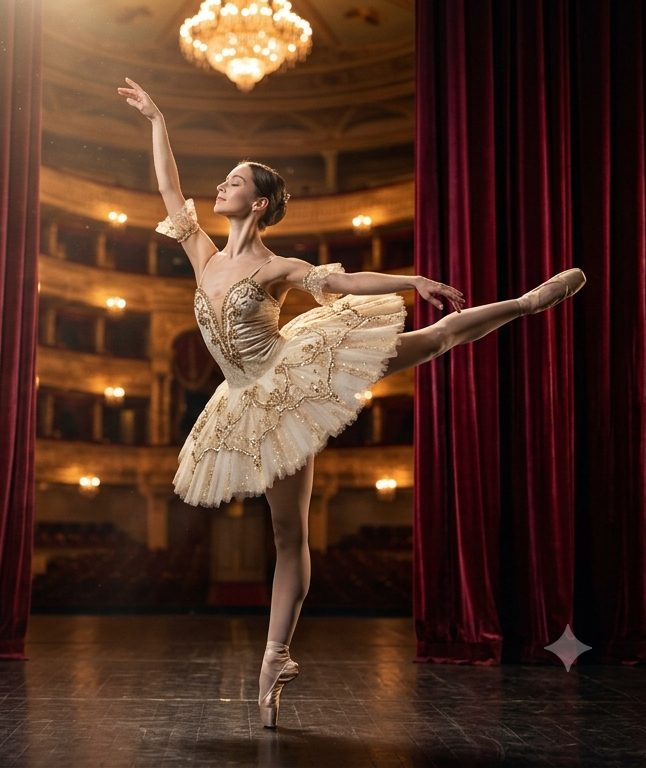
A dancer in performance, framed for the competition tour almanac.

2026 tour dates

Nine stages
across the nation.

Eight regional events lead to the American Ballet Awards National Finals. Dancers may compete at any regional event, and registration is handled per event. Stage dimensions and venue specifications are published for each event when available.

16 – 18 Jan2026

Atlanta, GA

Marietta Performing Arts Center

All divisions and age classifications · master classes both days

Registration open

30 Jan – 1 Feb2026

Dallas, TX

Northpark Opera House

All divisions and age classifications · master classes both days

Registration open

13 – 15 Feb2026

Phoenix, AZ

Camelback Center for the Arts

All divisions and age classifications

Registration open

27 Feb – 1 Mar2026

Chicago, IL

Lakeshore Auditorium

All divisions · extended ensemble sessions

Closing soon

13 – 15 Mar2026

Charlotte, NC

Queen City Performing Arts Center

All divisions and age classifications

Registration open

27 – 29 Mar2026

Costa Mesa, CA

Pacific Coast Center for the Arts

All divisions · Pas de Deux showcase

Registration open

10 – 12 Apr2026

Boston, MA

Beacon Hill Opera House

All divisions and age classifications

Waitlist

24 – 26 Apr2026

Salt Lake City, UT

Wasatch Performing Arts Center

All divisions and age classifications

Registration open

25 – 28 Jun2026

New York, NY

The Ashford Theatre · National Finals

By invitation from a 2026 regional event

By invitation

Dates and venues are subject to change. Studio and independent registrants are notified directly of any change to a scheduled event.

The National Finals

25 – 28 June 2026
New York, New York.


Dancers who distinguish themselves at a 2026 regional event may receive an invitation to the American Ballet Awards National Finals — competition, master classes and an awards ceremony on one of the country’s great stages.

The Finals field is drawn from both divisions and every age classification, and is held to the same 100-point standard as every regional event.

Excellence inspires tomorrow.

Who competes

Four age classifications.
Two competitive divisions.

A dancer’s competition age is determined by their age on the age determination date ABA publishes for the season — not their age on the day they compete.

Age classifications · 2026 season
Classification Ages Divisions Notes
Pre-Competitive 7 – 8 One unified division Scored adjudication and designated placements. Ballet slippers only — pointe work is not permitted, with no exceptions.
Youth 9 – 11 Premiere or Virtuoso Any dancer competing en pointe automatically competes in Virtuoso. Youth Premiere competitors perform in ballet slippers.
Junior 12 – 14 Premiere or Virtuoso Increasing expectations for control, refinement, musicality and performance quality. En pointe or slippers, as suits the repertoire.
Senior 15 – 19 Premiere or Virtuoso Advanced student and pre-professional dancers. En pointe or slippers, as suits the repertoire and training.

Choosing a division

Competitive division is determined primarily by a dancer’s current training environment and concentration of study — rather than solely by age, years of dance experience, previous awards or competition history. Teachers, studio directors and independent participants are responsible for selecting the division that most accurately represents the dancer’s training at the time of registration.

Moving up

A dancer’s division is not intended to define their potential. As classical study becomes more specialized, dancers may transition from Premiere to Virtuoso, and ABA may recommend advancement where a dancer’s background and demonstrated proficiency indicate that Virtuoso would provide a more appropriate competitive environment. Once a dancer has competed in Virtuoso during a season, they may not return to Premiere that same season without prior ABA approval.

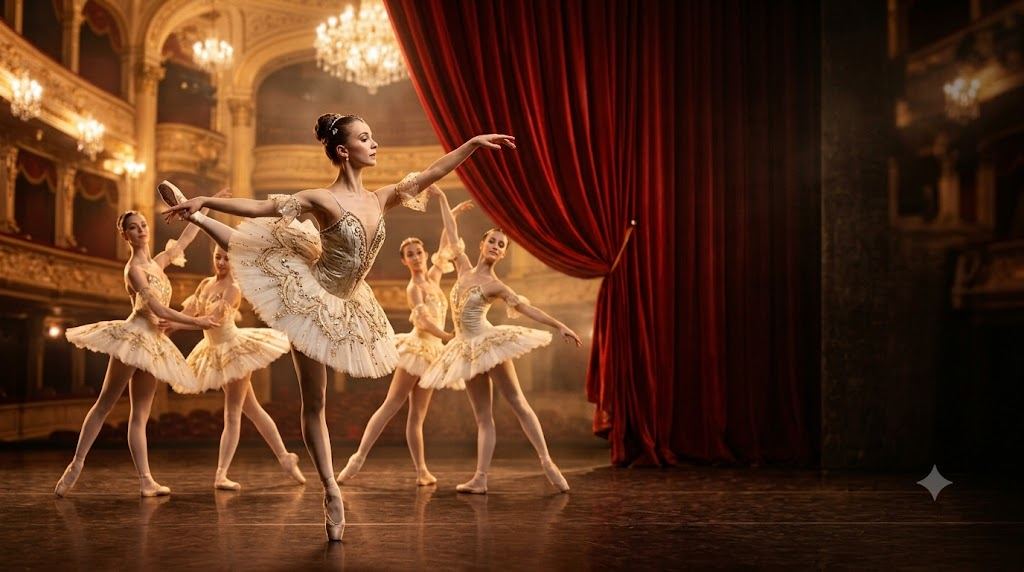
Ballerinas in ivory tutus on a gilded theatre stage, the red curtain drawn back.

Eligibility

Who may enter.


  • Ages 7–19. Open to student dancers within that range as of the season’s age determination date.
  • Any training background. Enter through a registered dance studio, ballet academy, conservatory or pre-professional program — or as an independent competitor.
  • Solo, duet, pas de deux and ensemble categories, in accordance with the requirements established for the dancer’s age classification.
  • Developmental programs — trainee, apprentice, second-company and similar students may be eligible at ABA’s discretion.
  • Dancers currently employed as full professional company members are not eligible to compete.

Registration

Register a dancer.

Registration is completed through the official ABA registration system, through a participating studio, academy, conservatory or pre-professional programme, or independently where permitted. Events have limited capacity and registration may close before the published deadline — tell us who you are and we will send the opening dates for your classification.

Registration interest

This is an enquiry, not a completed entry. Registration is not complete until all participant information is submitted and applicable fees are paid.

Thank you — we have your details.

We will send registration opening dates and the entry link for your classification. Questions in the meantime go to hello@americanballetawards.com.
A ballerina seen from behind in the wings.
Every dancer deserves their moment.

On our stages

A professional environment,
with safety first.

01

Venue & stage

Stage dimensions and relevant venue specifications are published when available for each event. Teachers, coaches and dancers are responsible for adapting choreography to the dimensions, flooring, entrances, exits and wing space of the performance venue.

02

Pointe readiness

ABA does not consider age alone an indication of pointe readiness. Teachers are expected to weigh strength, alignment, technical foundation, physical development, consistency of training and experience en pointe. ABA may address pointe work that presents an immediate safety concern.

03

Repertoire suitability

Teachers are expected to consider more than a dancer’s ability to execute individual technical elements. ABA reserves the right to determine whether submitted repertoire is appropriate for a dancer’s age classification.

Registration FAQ

Before you register.

Everything studios, teachers, parents and independent competitors ask most often. For anything not answered here, write to us and a member of the ABA team will reply.

By the dancer’s age on the age determination date ABA publishes for the season — not their age on the day they compete. ABA may request a birth certificate, passport or other accepted documentation to verify a dancer’s eligibility for an age classification.

Yes. Dancers may participate through a registered dance studio, ballet academy, conservatory or pre-professional program, or as an independent competitor. Independent competitors register directly and are eligible for the same categories, placements, scholarships and recognition as studio-registered dancers.

Yes. Registration is handled per event, and dancers may enter as many regional events as their schedule allows. Division placement must remain consistent with the dancer’s training across the season — once a dancer has competed in Virtuoso during a season, they may not return to Premiere that same season without prior ABA approval.

The National Finals are by invitation, extended to dancers who distinguish themselves at a 2026 regional event. Invitations are drawn from both divisions and every age classification.

Youth, Junior and Senior competitors select a variation from the ABA Approved Classical Repertoire List. Variations should remain recognizable to the original choreography and style of the selected ballet; adjustments may be made for a dancer’s age, technical readiness, physical safety or the dimensions of the stage. Significant alterations that change the technical or stylistic character of a variation may affect adjudication, and ABA may identify specific variations as restricted by age or technical requirement.

Pre-Competitive dancers ages 7–8 are not required to perform an established variation — an age-appropriate solo choreographed by their teacher or coach is welcome.

Music changes requested after the published deadline may not be accommodated, and requests to add extended time to a Large Ensemble after the registration deadline may not be accommodated either. Large Ensemble entries that exceed five minutes without having registered for the extended-time option may be subject to a scoring deduction — and no Large Ensemble performance may exceed six minutes. Contact the ABA team as early as possible if something must change.

ABA reviews division placement and may reclassify an entry where necessary to maintain the integrity of the competitive field. Honest misjudgements are simply corrected. Intentionally entering a dancer into a division that does not reflect their training in order to gain a competitive advantage may result in reclassification or other action, and ABA retains final authority regarding division eligibility and placement.

ABA events may include master classes led by distinguished faculty, professional dancers, educators, choreographers and representatives of participating training programmes, and registered dancers are strongly encouraged to take the classes offered for their age and level. Schedules, age groupings, levels and participation requirements are published for each event. Taking a class never changes a dancer’s competition score or placement.