The event experience

Where preparation meets opportunity.

An elevated competition experience created to celebrate the dedication, artistry and ambition of the next generation of dancers — from the stage door to the final award.
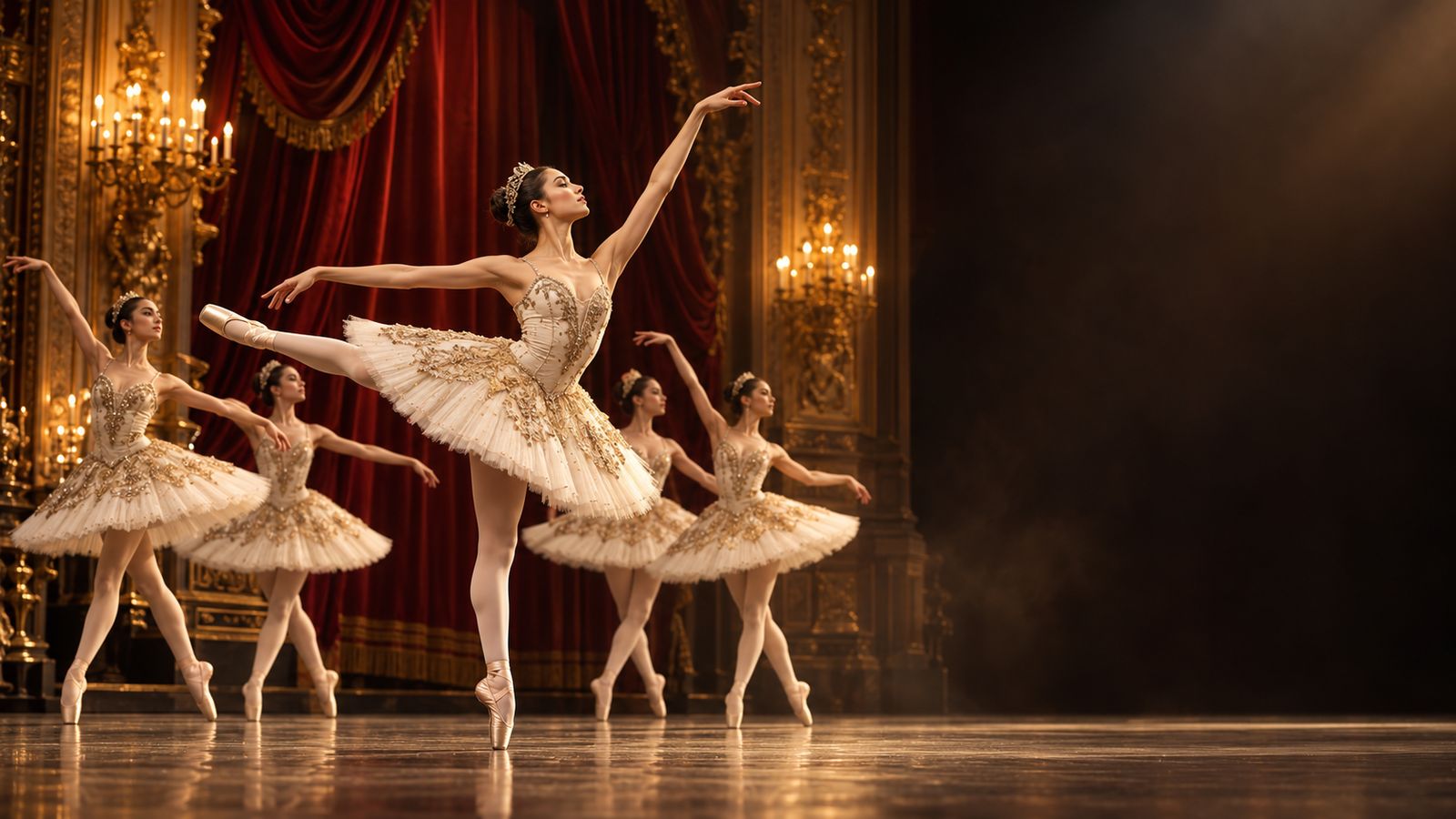
A corps of five ballerinas in ivory and gold tutus, arabesque, on a gilded opera house stage.

From the moment dancers arrive

Prestigious. Inspiring.
Built for the dancer.


From the moment dancers arrive, they enter an environment designed to feel both prestigious and inspiring — a place where months and years of training culminate in the opportunity to step onto the stage, compete among talented peers, and perform for accomplished professionals from the ballet and dance industry.

At the heart of the experience is competition. Dancers are challenged to bring their very best to the stage, with performances evaluated by distinguished adjudicators who recognize excellence in technique, artistry, musicality and performance. Awards and placements are earned — making recognition at American Ballet Awards an achievement dancers can be proud to carry with them.

The event day

From the stage door
to the final award.

Every ABA event follows the same professional rhythm, so dancers and teachers know exactly what to expect before they arrive. Schedules, stage dimensions and venue specifications are published for each event as they become available.

  1. Arrival & check-in

    Dancers and studio representatives check in, collect credentials and performance order, and are shown to dressing rooms and designated warm-up space.

  2. Warm-up & stage call

    Supervised warm-up ahead of a professional stage call. Dancers are expected to arrive prepared and to respect performance order — the same standard of professionalism asked of every competitor, teacher, coach and parent.

  3. The performance

    Timing begins with the first movement of a dancer or the first audible sound of the music, whichever comes first. Should an ABA technical issue, music malfunction or stage condition interrupt a performance, the dancer is given an appropriate opportunity to restart.

  4. Adjudication

    Every entry receives scored adjudication against the ABA criteria. Placements, rankings and competitive awards are determined independently within each division.

  5. Master classes

    Classes with respected professionals and educators held throughout the event — the part of the weekend where dancers learn from the artists shaping ballet today rather than only performing for them.

  6. Awards & recognition

    Placements, category awards, scholarships and training opportunities are presented. Recognition is not limited to the dancers who stand at the top of the podium.

At the heart is competition

One hundred points.
Seventy of them technique.


Every competitive performance is evaluated on a 100-point scale across four areas of adjudication. Technique carries the greatest weight by a wide margin, and it is considered in relation to the dancer’s age classification and the demands of the choreography presented.

Premiere and Virtuoso competitors are scored using the same categories and the same point values. Pre-Competitive dancers are evaluated on the same 100-point structure, with expectations considered against their stage of development.
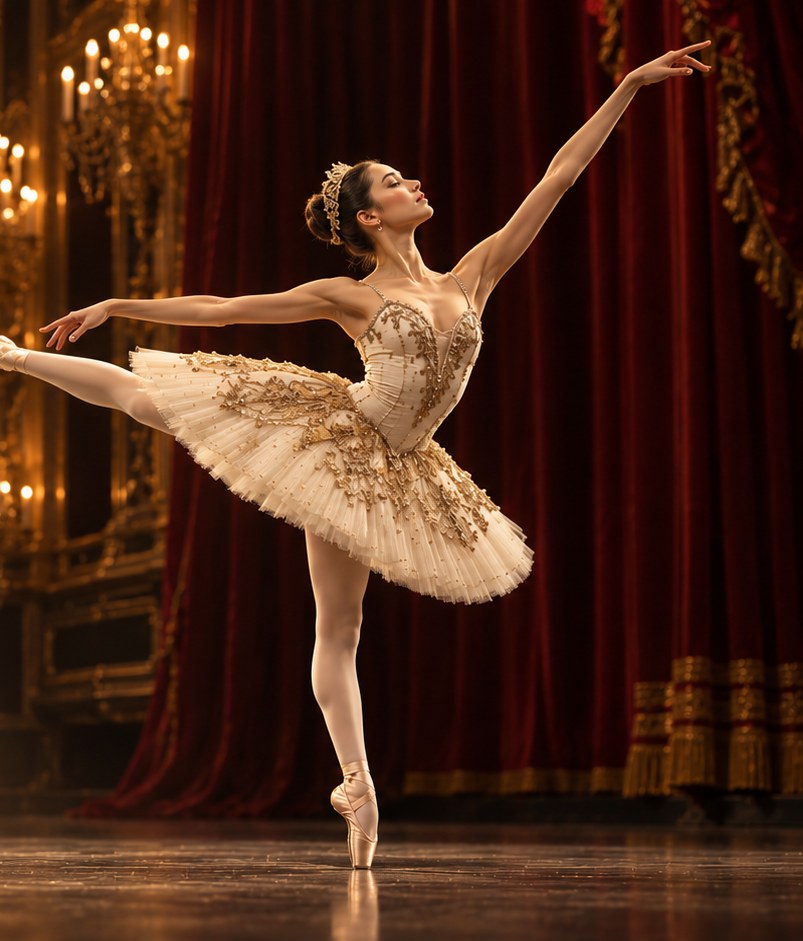
A soloist en pointe in arabesque before red velvet curtains.

One standard. Two competitive pathways.

How the 100 points are divided

Technique
70 points
Performance Quality
15 points
Artistry & Musicality
10 points
Choreographic & Repertoire Execution
5 points

Recognition

From the score to the award.

Every eligible performance may earn an American Ballet Award based on its final adjudication score. Awards are separate from competitive placement — several dancers in the same category may earn the same one.

  1. 95.00–100Award of Excellence The highest level of score-based recognition ABA presents.
  2. 90.00–94.99Award of Distinction A distinguished level of technical proficiency, artistry and execution.
  3. 85.00–89.99Award of Honor A strong level of achievement and preparation across the criteria.
  4. 75.00–84.99Award of Merit Demonstrated achievement, preparation and developing proficiency.
  5. Below 75.00: the adjudication score and written feedback, without a score-based Award.

Alongside these, the ten highest-scoring dancers in each eligible age classification are recognised from 1st through 10th place — separately within the Premiere and Virtuoso Divisions, with ties settled first on the Technique score, then on Performance Quality.
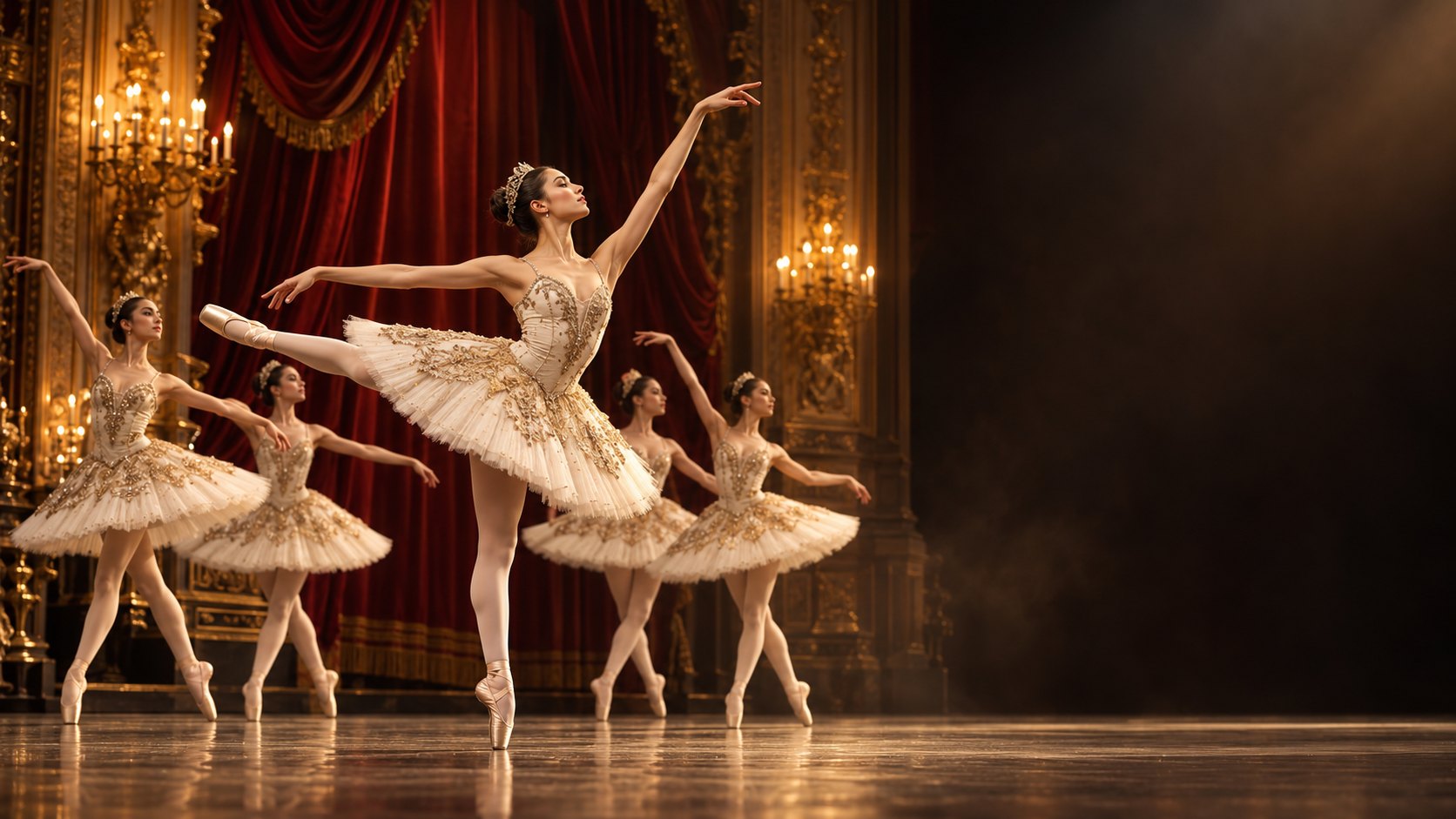
A corps of ballerinas holding arabesque under stage light.

Beyond the stage

But the experience does not end when the curtain closes.


Throughout each event, dancers have opportunities to learn, grow and look toward what comes next — through master classes, scholarships, training opportunities and connections with respected programs and professionals.

By bringing together the accomplished artists of today with the emerging talent of tomorrow, ABA creates an environment where inspiration and opportunity surround the competition itself.

I

Master classes

Technique, variations and repertoire classes with professionals and educators visiting the event — open to registered competitors across both divisions.

II

Scholarships & training awards

Named ABA scholarships and tuition support at partner academies, conservatories and summer intensives. Recipients are identified at the event — there is no separate application.

III

Program connections

Exposure to pre-professional programs across the nation, including audition access that can become the next chapter of a dancer’s development.

Two competitive divisions

Compete at the level at which you train.

Beginning at the Youth classification, dancers enter either Premiere or Virtuoso according to their current training environment. Pre-Competitive dancers ages 7–8 compete within one unified division.

The Premiere and Virtuoso divisions compared
PremiereDivision I VirtuosoDivision II · premier level
In a phrase Versatility. Artistry. Achievement. Classical excellence at the highest level.
Who it is for Accomplished dancers who study ballet as part of a comprehensive, multidisciplinary dance education — training and competing across ballet, contemporary, jazz, modern and other disciplines. Dancers pursuing intensive classical and pre-professional training — technique, pointe, variations, repertoire and partnering that prepare them for advanced study and professional careers.
Footwear Youth Premiere competitors perform in ballet slippers. Junior and Senior dancers may perform en pointe or in slippers as suits the repertoire. Any Youth dancer who competes en pointe competes in Virtuoso. Pointe is not required — a dancer whose training qualifies them may perform in slippers.
Scoring The same 100-point system, the same criteria and the same point values. Placements, rankings and competitive awards are determined within each division.
Moving up Dancers may transition from Premiere to Virtuoso as their classical training becomes more specialised, and ABA may recommend it. Once a dancer has competed in Virtuoso during a season, they may not return to Premiere that season without prior ABA approval.

Different training pathways. One distinguished standard.

Categories & time limits

What may be brought to the stage.

Performance time limits maintain the quality and pacing of the competition while allowing dancers and choreographers appropriate time to present their work.

Competition categories · maximum performance times
Category Discipline Dancers Maximum
Classical Ballet Solo Classical — a variation from the ABA Approved Classical Repertoire List 1 2:30
Contemporary Solo Contemporary ballet, contemporary dance or modern influences 1 2:30
Pas de Deux Classical repertoire or ABA-approved partnering works 2 6:00
Duet / Trio Classical ballet or contemporary 2–3 3:00
Small Ensemble Classical ballet or contemporary 4–9 4:00
Large Ensemble Classical ballet or contemporary 10+ 5:00
Extended Large Ensemble Optional extension, selected and paid for during registration 10+ 6:00

Timing

Timing begins with the first movement of a dancer or the first audible sound of the music, whichever occurs first, and concludes with the final movement or sound.

Music

Uploaded through the ABA registration system by the published deadline. Keep a backup copy onsite on a mobile device. Explicit or age-inappropriate content is prohibited.

Costuming

Costumes should complement the choreography and allow adjudicators to clearly evaluate technique, placement, line and movement — and remain appropriate for the dancer’s age.

“Where the stage of today meets the possibilities of tomorrow.”

American Ballet Awards
What dancers leave with

More than a placement.

Proud

Of what they brought to the stage, and of the preparation behind it.

Inspired

By the dancers around them and the professionals in front of them.

Motivated

For the next chapter of their training, and every stage that follows.

On the day

Event-day questions.

If a performance is interrupted by an ABA technical issue, music malfunction, stage condition or any other circumstance outside the dancer’s control, the dancer is provided an appropriate opportunity to restart or perform again. If a dancer independently stops a performance, ABA officials determine whether a restart is appropriate based on the circumstances — a restart is not automatically guaranteed. In the event of an injury or medical concern, the dancer’s health and safety take priority over everything else.

ABA places primary emphasis on the dancer and the performance. Small, easily transported props may be permitted when they are integral to the choreography and can be placed and removed efficiently. Props requiring extensive assembly, rigging, theater modification or significant backstage storage may not be permitted, and ABA may require advance approval.

The following are prohibited outright:

  • Live flame or pyrotechnics
  • Liquids or wet materials
  • Loose glitter or confetti
  • Powders, paint or substances that may transfer to the stage
  • Sharp or dangerous objects
  • Any item that may damage the performance surface or create a safety hazard

All competition music is uploaded through the American Ballet Awards registration system by the published deadline for each event. Participants and studio representatives are responsible for confirming that the correct file has been uploaded and that the recording is of suitable performance quality. Music changes requested after the deadline may not be accommodated, so keep a backup copy onsite and immediately accessible on a mobile device.

Yes — professional partners may accompany an eligible student competitor when permitted by ABA. Where one partner is participating solely in a supporting professional capacity, only the registered student competitor is eligible for the individual awards or recognition associated with the entry. Specific Pas de Deux eligibility and repertoire requirements may vary by age classification.

Age classification for duets, trios and ensembles is determined by the average age of all participating dancers as of the ABA age determination date. Pre-Competitive dancers may participate in an ensemble containing older dancers, and the average still governs.

Where all dancers are registered in the same competitive division, the entry competes in that division. Where an entry mixes Premiere and Virtuoso dancers, it competes in the Virtuoso Division.

The same standard of professionalism asked of the dancers. Competitors are expected to conduct themselves professionally backstage, in warm-up areas and on stage — arriving prepared, respecting performance order and stage calls, and following the direction of ABA and venue personnel. Disruptive backstage behavior, intentional interference with another competitor, or disregard for theater and ABA policies may result in disciplinary action, and that standard extends to teachers, coaches, parents and representatives throughout the event.

The stage is yours.


Every entry represents countless hours of preparation before the curtain ever rises. Arrive prepared, perform with intention, and bring the highest level of your training and artistry to the stage. This is where the work becomes performance.